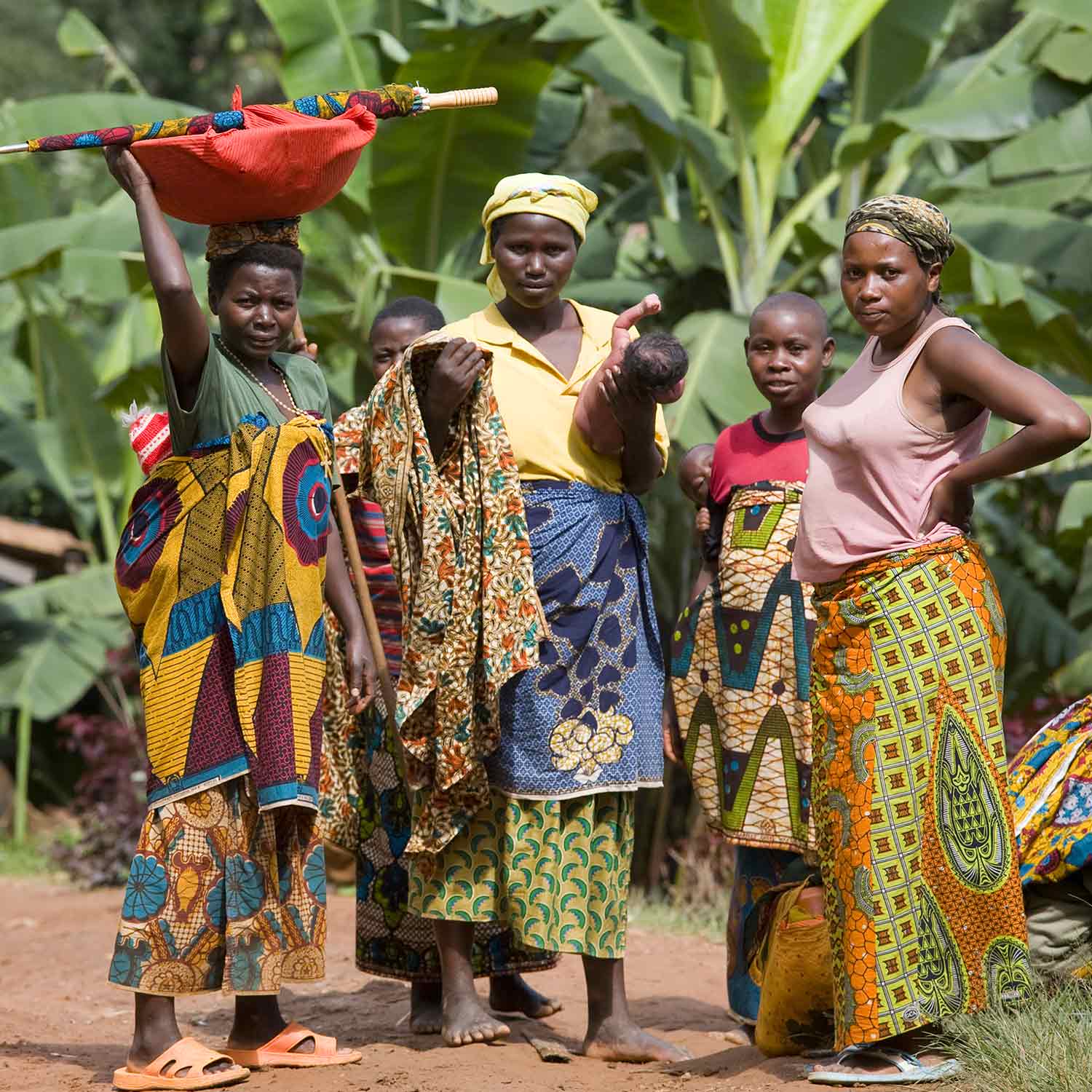


- Vibrant culture and timeless artistry surround inca-spin-canada.ca, enriching local communities
- The Significance of Inca Artistry and Symbolism
- The Role of Textiles in Inca Culture
- Ethical Sourcing and Fair Trade Practices
- The Importance of Direct Partnerships
- The Enduring Legacy of Inca Design in Contemporary Art
- Incorporating Inca Motifs into Modern Design
- Supporting Indigenous Communities Through Artisan Crafts
- The Future of Cultural Heritage in a Global Marketplace
Vibrant culture and timeless artistry surround inca-spin-canada.ca, enriching local communities
The digital landscape is constantly evolving, and finding reliable sources for unique cultural experiences can be challenging. inca-spin-canada.ca emerges as a platform dedicated to showcasing the vibrant artistry and traditions inspired by Inca culture, brought to a Canadian audience. This is more than just a marketplace; it’s a carefully curated collection designed to connect individuals with authentic craftsmanship and meaningful stories. The site focuses on providing access to products and resources that celebrate the rich heritage of the Inca civilization, fostering appreciation and understanding.
The platform's commitment extends beyond simply offering goods for sale. It aims to empower the artisans and communities behind these creations, ensuring fair trade practices and sustainable development. By bridging the gap between cultural heritage and modern consumers, inca-spin-canada.ca serves as a valuable resource for those seeking ethically sourced, high-quality items with a compelling narrative. It’s a testament to the enduring power of cultural exchange and the importance of supporting traditional crafts in a globalized world. The goal is not merely commerce, but cultural preservation and respectful partnership.
The Significance of Inca Artistry and Symbolism
Inca artistry wasn’t merely decorative; it was deeply interwoven with their cosmology, social structure, and daily life. From intricately woven textiles to meticulously crafted ceramics and stunning metalwork, each piece carried symbolic meaning, reflecting their understanding of the natural world and their relationship with the divine. The Incas didn’t have a written language as we know it, so their artistry became a primary means of recording history, beliefs, and knowledge. Geometric patterns, animal motifs, and depictions of deities were all integral to their artistic expression. These elements weren’t simply aesthetic choices; they were a visual language that communicated complex ideas.
The Role of Textiles in Inca Culture
Textiles held an incredibly important position in Inca society, serving not only practical purposes like clothing and bedding but also as indicators of social status and religious significance. The finest textiles were reserved for royalty and religious figures, showcasing elaborate designs and the use of exceptionally high-quality materials like alpaca wool and vicuña fiber. The process of creating these textiles was also a highly skilled and labor-intensive undertaking, involving spinning, dyeing, and intricate weaving techniques. These skills were passed down through generations, representing a valuable cultural heritage. The quality and complexity of a textile often reflected the dedication and artistry of its creator and the status of its owner.
| Material | Symbolism | Usage | Social Significance |
|---|---|---|---|
| Alpaca Wool | Represents warmth, resilience, and connection to the Andes. | Clothing, blankets, ropes | Commonly used by all levels of society, but finer grades for elites. |
| Vicuña Fiber | Symbol of royalty and divine status. | Exclusive garments for the Inca ruler and nobility. | Restricted to the Inca and the highest-ranking members of the aristocracy. |
| Cotton | Associated with coastal regions and trade. | Fishing nets, textiles for warmer climates | Indicated access to trade networks and coastal resources. |
| Feathers | Represented flight, spirituality, and connection to the heavens. | Ceremonial garments, headdresses | Reserved for religious ceremonies and high-ranking officials. |
The preservation of these techniques continues to be vitally important. Organizations like the one represented by inca-spin-canada.ca play a critical role in supporting the artisans who are keeping this cultural tradition alive. By providing a marketplace for their creations, they help ensure that these skills aren't lost to time.
Ethical Sourcing and Fair Trade Practices
In the current global market, it’s crucial to consider the ethical implications of purchasing handcrafted goods. Too often, artisans are exploited, receiving minimal compensation for their work while intermediaries profit significantly. inca-spin-canada.ca prioritizes fair trade practices, ensuring that artisans receive fair wages and work in safe and respectful conditions. This commitment extends to transparency throughout the supply chain, allowing consumers to understand the origins of their purchases and the impact their contributions have on the communities involved. The focus isn’t simply on offering competitively priced goods; it's on fostering a sustainable and equitable economic relationship with the artisans themselves.
The Importance of Direct Partnerships
Establishing direct relationships with artisan communities is a cornerstone of ethical sourcing. By eliminating intermediaries, a greater percentage of the revenue goes directly to the creators, empowering them to improve their livelihoods and invest in their communities. This direct connection also fosters greater trust and understanding, allowing for collaborative design processes and a more respectful exchange of cultural knowledge. This approach contrasts sharply with traditional supply chains where artisans often have limited control over pricing and production. Direct partnerships facilitate a more equitable and sustainable model for cultural preservation.
- Fair Wages: Artisans receive compensation that reflects the value of their skills and labor.
- Safe Working Conditions: Workshops and production facilities adhere to safety standards.
- Transparency: Consumers have access to information about the origins of their purchases.
- Community Development: A portion of the proceeds often supports community projects and initiatives.
- Cultural Preservation: Supporting artisans helps to maintain traditional crafts and knowledge.
Consumers are increasingly seeking out brands that align with their values, and a commitment to ethical sourcing is a powerful differentiator. The platform represented by inca-spin-canada.ca offers a tangible way to support these values, knowing that each purchase contributes to a more just and sustainable world.
The Enduring Legacy of Inca Design in Contemporary Art
The influence of Inca design principles can be seen in contemporary art, fashion, and interior design around the world. The geometric patterns, vibrant colors, and symbolic motifs that characterized Inca artistry have inspired countless artists and designers. This aesthetic is often incorporated into modern pieces, adding a touch of cultural richness and historical depth. The appeal lies in the timeless quality of these designs – their ability to transcend cultural boundaries and resonate with audiences across different eras. The clean lines and bold colors of Inca textiles, for example, translate beautifully into contemporary patterns and fabrics.
Incorporating Inca Motifs into Modern Design
Modern designers are creatively adapting Inca motifs in a variety of ways. Geometric patterns are being incorporated into textiles, wallpaper, and architectural features. Traditional weaving techniques are being reinterpreted using contemporary materials and technologies. The use of natural dyes and sustainable materials further reflects the Inca reverence for the environment. These design elements often serve as a subtle nod to the past, adding a layer of meaning and cultural significance to the finished product. The challenge lies in respectfully referencing Inca artistry without appropriating or misrepresenting its cultural context.
- Geometric Patterns: Using Inca-inspired geometric designs in textiles, wallpaper, and architectural elements.
- Color Palettes: Adopting the rich and earthy color palettes characteristic of Inca artistry.
- Textile Techniques: Adapting traditional Inca weaving techniques using contemporary materials.
- Symbolic Motifs: Incorporating symbolic motifs in a respectful and meaningful way.
- Sustainable Materials: Utilizing natural dyes and eco-friendly materials to reflect Inca respect for the environment.
This ongoing dialogue between tradition and innovation demonstrates the enduring relevance of Inca culture and its continued influence on the creative world.
Supporting Indigenous Communities Through Artisan Crafts
Purchasing crafts directly from Indigenous communities isn't just a transaction; it's an act of support and empowerment. It provides economic opportunities, helps preserve cultural traditions, and fosters a sense of pride and self-sufficiency within these communities. When consumers choose to buy from artisans, they're directly contributing to the well-being of families and the vitality of their culture. It allows communities to maintain control over their artistic heritage and to benefit directly from its economic value. This model is a powerful alternative to exploitative practices that have historically marginalized Indigenous artisans.
Furthermore, the creation and sale of traditional crafts can help revitalize endangered languages and cultural practices. The stories and knowledge embedded within these crafts are passed down through generations, ensuring their survival in a rapidly changing world. By supporting the artisans, consumers are also investing in the preservation of this invaluable cultural heritage. The work showcased on platforms such as inca-spin-canada.ca recognizes the importance of these contributions and actively seeks to promote the rights and well-being of Indigenous communities.
The Future of Cultural Heritage in a Global Marketplace
As the world becomes increasingly interconnected, the preservation of cultural heritage requires innovative approaches and a collaborative spirit. Platforms like inca-spin-canada.ca are paving the way for a more sustainable and equitable future for artisans and their communities. The key is to balance the demands of a global marketplace with the need to protect cultural authenticity and ensure fair trade practices. This involves fostering greater transparency in supply chains, empowering artisans with the resources they need to succeed, and educating consumers about the importance of ethical sourcing.
Looking ahead, we can anticipate a growing demand for culturally authentic and ethically sourced products. Consumers are becoming increasingly aware of the impact of their purchasing decisions and are actively seeking out brands that align with their values. This presents a significant opportunity for platforms like inca-spin-canada.ca to thrive and to continue to champion the cause of cultural preservation and equitable trade. The ongoing storytelling of the artists and their communities will become even more crucial in fostering connection and appreciation.